Turning a Technology Assessment into a
Board-Level Plan

Flash Health needed to understand whether its technology and engineering organization could support continued growth. Over four weeks, Rootstone assessed the platform, established the immediate priorities and worked alongside the engineering team to begin implementing improvements.

The engagement gave leadership a clear direction: strengthen security and engineering practices, improve the existing platform in stages, and build on the existing platform through targeted improvements.

Start a conversation
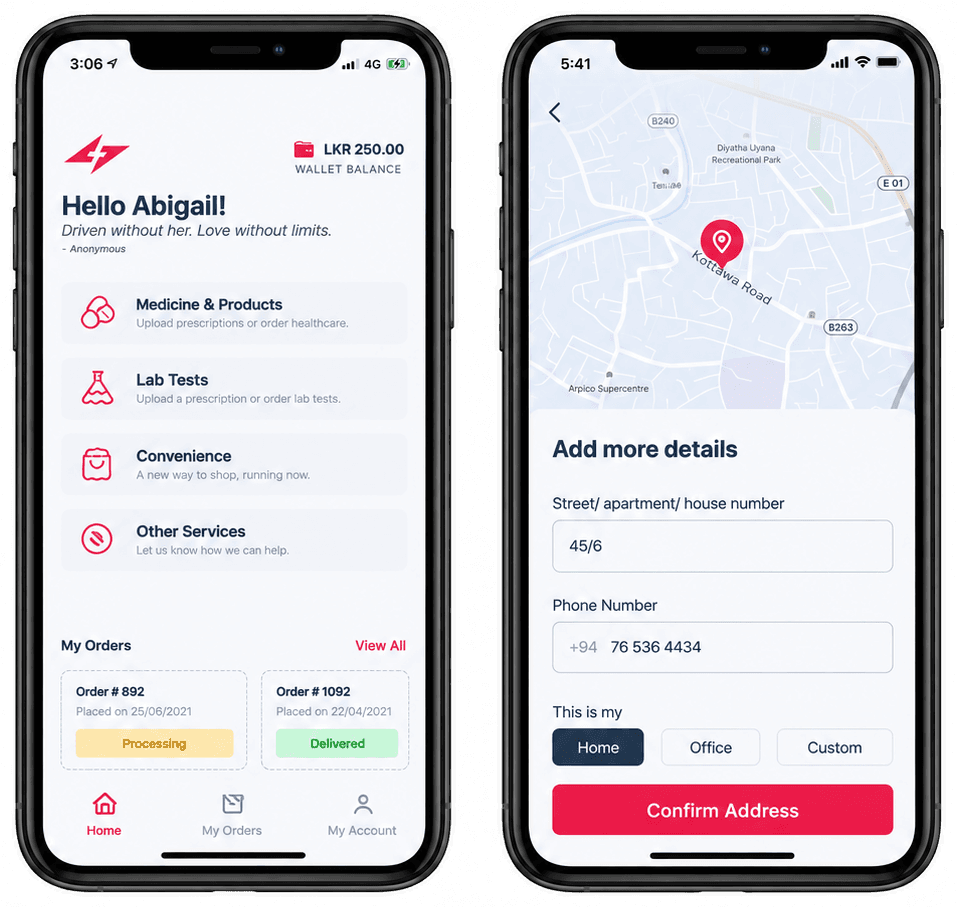
The Flash Health app on two phones: the home screen with its services and orders, and the delivery address screen.
Engagement
Assess
Duration
Four weeks, including remediation
Scope
Architecture, security, data protection, engineering leadership and delivery practices

The Situation

Flash Health is a digital healthcare platform serving individuals, families and employers. It connects medicine delivery, consultations, lab testing and health tracking with cashless outpatient benefits and digital claims management. Handling prescriptions and medical reports makes security and data protection central to the business.

As the company expanded, leadership wanted an independent view of the platform and the organization building it. They needed to know where investment was required, whether the architecture could evolve with the business, and how engineering practices should develop as the team adopted modern AI tools.

The assessment had to turn those questions into decisions about what to address immediately and what could wait.

Rootstone’s Role

Rootstone reviewed the architecture, codebases, infrastructure and engineering practices, working directly with leadership and the seven-person engineering team.

Time spent on-site alongside the engineers helped establish how development, testing, releases and production support worked in practice.

Rootstone was responsible for identifying risks, explaining their business implications and recommending a sequence of improvements. The engagement also included hands-on work to help the team put those recommendations into use.

The Work

  1. Moving from assessment to immediate action

    The assessment established security, data protection and engineering controls as the first priorities.

    Rootstone raised the findings directly with the CEO and board. Rather than waiting for the final report, Rootstone and the engineering team began priority remediation while the broader assessment continued.

    This connected the assessment to immediate action and helped leadership focus resources on the areas requiring attention first.

  2. Improving the platform without an immediate rewrite

    Rootstone examined whether the platform should be improved or rebuilt.

    The recommendation was to secure, simplify and stabilize the existing platform, then refactor or replace components where there was a clear technical and business case.

    An immediate rewrite would introduce migration risk and duplicated investment without first addressing the engineering practices that could reproduce the same problems. Staged modernization provided a way to strengthen the platform while preserving useful existing work.

  3. Demonstrating the recommended engineering practices

    Rootstone used a practical remediation sprint to introduce the proposed review, testing and release practices through real platform work.

    A hands-on workshop helped engineers understand the issues, work through corrections and see how the new standards applied to their daily responsibilities.

    The recommended controls also covered AI-assisted development: generated code needed the same review, testing and security checks as manually written code.

Results and Current Status

The board and leadership received a clear assessment of the technology, a prioritized risk register and recommendations for engineering leadership and team composition. These informed the immediate focus on security, platform improvements and stronger engineering ownership.

A review across ten repositories translated the technical findings into a prioritized Jira backlog. A 30/60/90-day action plan established the sequence for execution.

Initial security and platform improvements were completed during the engagement, and the team applied the proposed practices through the remediation sprint. Flash Health is continuing to execute the remaining action plan.

Client Perspective

“Rootstone challenged our assumptions about what the platform needed next. Their assessment covered technology, engineering leadership and delivery processes, with recommendations grounded in business impact and where our investment would deliver the most value. That balance of technical depth and business judgment made it easy for me and the board to work with them.

They were direct about what needed to come first, what could wait, and why improving our existing platform was a better investment than rebuilding it. They then worked alongside our engineers on a remediation sprint, putting the recommended standards into practice on our own platform. That made the recommendations tangible—the team could see how to apply them, and we had a clear plan for the next 90 days.”

Arshad AmeerCEO, Flash Health

Next case study

Lead · Enterprise fintech

Enterprise Fintech

Leading an Enterprise Fintech Platform to Its First Release

An open-source-first, composable platform architecture focused on time to market, long-term maintainability and security.

View case study: Enterprise Fintech

Technology leadership & engineering

Start at the root.

A 30-minute conversation about the technology decision, delivery challenge, or investment question in front of you.